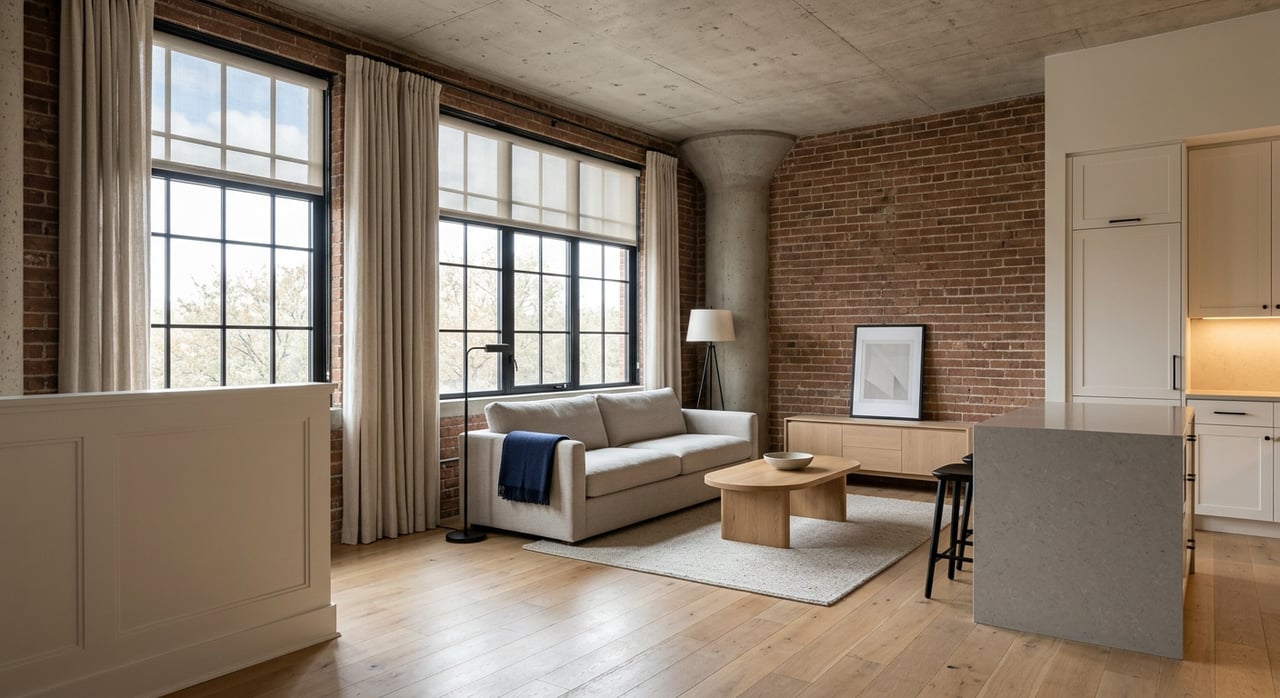
Thinking about buying a condo or loft in downtown Kansas City? It can be a smart way to enjoy a more urban, lower-maintenance lifestyle, but it comes with a different set of rules, costs, and decisions than buying a detached home. If you want to know what really matters before you make an offer in 64106, this guide will help you sort through the key details with more confidence. Let’s dive in.
Why Downtown KC Draws Buyers
Downtown Kansas City has become an appealing option for buyers who want an urban home base close to work, dining, entertainment, and transit. The Downtown Council’s 2024 housing report lists 3,389 housing units in Greater Downtown, showing a compact but active ownership market.
Interest in downtown living may continue to grow. Axios summarized a Downtown Council projection that the downtown population could rise from 33,297 in the first quarter of 2026 to 44,000 by 2035, which helps explain why many buyers are taking a closer look at condos and lofts in this part of the city.
What You’re Buying
When you buy a condo in Missouri, you are not just buying the interior of a unit. State law defines a condominium as real estate where part is separately owned and the rest is held in common, which means you also own an undivided interest in shared areas and systems.
That matters because your ownership includes participation in a building-wide association. Under Missouri law, the association can adopt bylaws, create budgets and reserves, collect assessments, regulate common elements, and enforce rules with late charges or fines.
In plain terms, a downtown condo or loft purchase is both a home purchase and a governance decision. The unit may be the main focus, but the building’s finances, rules, and management can shape your day-to-day experience just as much as the square footage.
Why Building Details Matter
In downtown Kansas City, two units that are only blocks apart can offer very different ownership experiences. Some buildings lean into a more amenity-rich setup, while others feel more like historic loft conversions with a different mix of features and tradeoffs.
For example, The View Condominiums advertises features like floor-to-ceiling windows, balconies, pool and hot tub access, a fitness center, concierge service, security, bicycle storage, visitor parking, and daily trash pickup. Union Carbide Condos, a historic Art Deco conversion, highlights custom finishes, sound isolation, storage locker availability, and short-term off-street parking.
Those examples show why comparing by building is often more useful than comparing by address alone. Amenities, sound control, storage, parking, and common-area policies can materially change how a home feels once you live there.
Condo vs. House Ownership
If you are used to shopping for a single-family home, downtown condo ownership may feel different right away. You will usually have less individual control over the exterior and shared systems, but you may also have fewer maintenance responsibilities tied to those areas.
Association dues are a major part of that difference. The Consumer Financial Protection Bureau notes that condo or HOA dues are usually paid directly to the association rather than through your mortgage payment, and fees can range from a few hundred dollars a month to more than $1,000 a month.
That means the monthly payment picture may look different than it does with a detached home. A lower-maintenance lifestyle can be attractive, but you still need to review the full budget, not just the purchase price.
What Condo Dues May Cover
Monthly dues can support building-level expenses such as common-area upkeep, management, reserves, and certain shared services. What is included can vary significantly from one building to another, so it is important to ask for specifics rather than make assumptions.
Missouri’s resale certificate requirements are helpful here. Before contract execution or conveyance on a resale, the certificate must disclose the monthly common expense assessment, planned capital expenditures, reserves, budget information, financial statements, and other important association details.
That paperwork gives you a better view of the building’s financial health. It can also help you spot whether a building is planning major work that could affect your future costs.
Review the Resale Certificate Carefully
In Missouri, the resale certificate is one of the most important documents in a condo purchase. It must disclose unpaid assessments or other fees, planned capital expenditures, reserves, the association’s budget and financial statements, judgments or pending lawsuits, insurance coverage, known unit-rule violations, and any leasehold term affecting the condominium.
This is where you move beyond the photos and finishes and start evaluating the building as an ownership structure. If there are reserve shortfalls, pending legal issues, or known rule violations, you want to know before you commit.
Missouri law also says the contract is voidable until the certificate is delivered and for five days afterward. It further limits a buyer’s liability for unpaid assessments or fees to the amount set forth in the certificate, which makes timely and accurate disclosure especially important.
Questions to Ask Before You Offer
Before you write an offer on a downtown Kansas City condo or loft, ask questions that go beyond style and layout. A great unit in the wrong building fit can still lead to frustration later.
Here are some practical questions to verify:
- How much are the monthly dues?
- What exactly do the dues cover?
- Are there special assessments now or planned?
- How strong are the reserve funds?
- Are there any pending lawsuits or judgments involving the association?
- What do the bylaws and rules say about pets, rentals, renovations, and use of common areas?
- Is parking included, deeded, leased, or rented separately?
- Is extra storage included or available at additional cost?
- Are there known rule violations tied to the unit?
These questions matter because downtown ownership is highly building-specific. The answers can affect your financing, monthly costs, and everyday convenience.
Parking Should Be a Budget Item
Parking is one of the biggest practical differences between downtown ownership and suburban homeownership. In many downtown buildings, parking is not as simple as pulling into your own driveway, so it needs to be part of your decision early.
Kansas City reports about 40,000 parking spaces in Downtown Kansas City, including street parking, eight municipal garages, and two surface lots. Park KC manages 12,000 spaces, and the city notes that downtown municipal garages support residential parking along with event and hourly parking.
For River Market, the city is even more direct that off-street lots and garages are the best solution for long-term residential parking rather than on-street parking. The city lists monthly options such as 300 Wyandotte Garage at $75 per month, 614 Walnut at $55 per month, and City Market surface lots at $96.50 for unlimited 24/7 parking or $71.50 for weekday daytime use.
If a unit does not include parking, or if the parking setup is separate from the deed, that should be reflected in your monthly budget. It should never be treated as an afterthought.
Insurance Works Differently Too
Insurance is another area where condo ownership differs from buying a detached house. The Consumer Financial Protection Bureau explains that condo association fees usually include master insurance for common areas, but unit owners still need their own insurance for the interior of the unit.
The exact split between the association’s master policy and your personal coverage can vary by building. That is why it is important to confirm what the association covers before closing, so you can plan for the right policy and avoid surprises later.
Financing May Depend on the Project
Condo financing can be more project-dependent than financing a detached home. HUD states that FHA loans require an FHA-approved condominium project or a unit that meets Single-Unit Approval requirements.
Fannie Mae’s project-eligibility guidance also shows that lenders need to review condo project standards before purchase. In real terms, that means one downtown condo may be straightforward to finance while another may require more review or may not fit a buyer’s loan program as easily.
This is one reason local guidance matters. When you are comparing buildings in downtown Kansas City, financing is not only about your personal qualifications. It can also be about the building itself.
Transit and Daily Access
Downtown living can offer a more walkable, transit-oriented setup than many suburban areas. Kansas City announced that the Riverfront Extension of the KC Streetcar would open for passenger service on May 18, 2026, connecting the existing route to the riverfront.
The city also began enforcing transit-only lanes on Main Street in 2026. For buyers, that can improve mobility and convenience, but it also makes it more important to think through parking, guest access, move-in logistics, and loading zones.
If you expect to drive daily, host visitors often, or rely on delivery and rideshare services, those details should be part of your home search. A beautiful unit is only part of the equation.
Who a Downtown Condo Fits Best
Downtown condos and lofts often appeal to buyers who want lower-maintenance ownership, centrality, and amenities more than a private yard. This can be a practical fit for relocating professionals, downsizers, or buyers who want a lock-and-leave home in the Kansas City core.
That does not mean every downtown building fits every buyer. Some people prioritize a fitness center and concierge service, while others care more about storage, sound control, or having a simpler monthly cost structure.
The key is matching the building and the unit to how you actually live. That is especially important if you are relocating to Kansas City and comparing downtown living with more traditional neighborhoods across the metro.
A Smart Buying Approach
If you are considering a condo or loft in downtown Kansas City, it helps to evaluate each option in layers. Start with the location and unit, then look closely at the building, the association, the dues, the parking setup, the insurance structure, and the financing path.
That process can save you from falling in love with a unit that does not work on paper or in practice. It can also help you spot opportunities where the building is a strong fit for your goals, budget, and lifestyle.
If you want a calm, informed strategy for buying in downtown Kansas City or anywhere across the metro, Melissa Rousselo can help you compare options, understand the tradeoffs, and move forward with confidence.
FAQs
What should you review before buying a downtown Kansas City condo?
- Review the resale certificate, monthly dues, reserve funds, planned capital expenditures, pending lawsuits, insurance coverage, parking terms, and building rules before moving forward.
How are downtown Kansas City lofts different from condos?
- In practice, loft-style homes often differ by building design, sound control, storage, parking, and amenities, even when the ownership structure is still condo-based.
Do downtown Kansas City condo dues cover everything?
- No. Dues may cover many building-level expenses, but coverage varies by association, and you still need to verify what is included and budget for other costs like unit-owner insurance and possibly parking.
Is parking included with every downtown Kansas City condo?
- No. Parking may be deeded, leased, rented separately, or not included at all, so you should confirm the arrangement early and treat parking as its own budget item.
Can condo financing be harder than house financing in downtown Kansas City?
- Yes. Financing can depend on both your qualifications and the condo project’s eligibility, which may affect FHA or conventional loan options.
Who is a good fit for buying a condo or loft in downtown Kansas City?
- Buyers who value lower-maintenance ownership, a central location, amenity access, and a lock-and-leave lifestyle often find downtown condos and lofts appealing.
