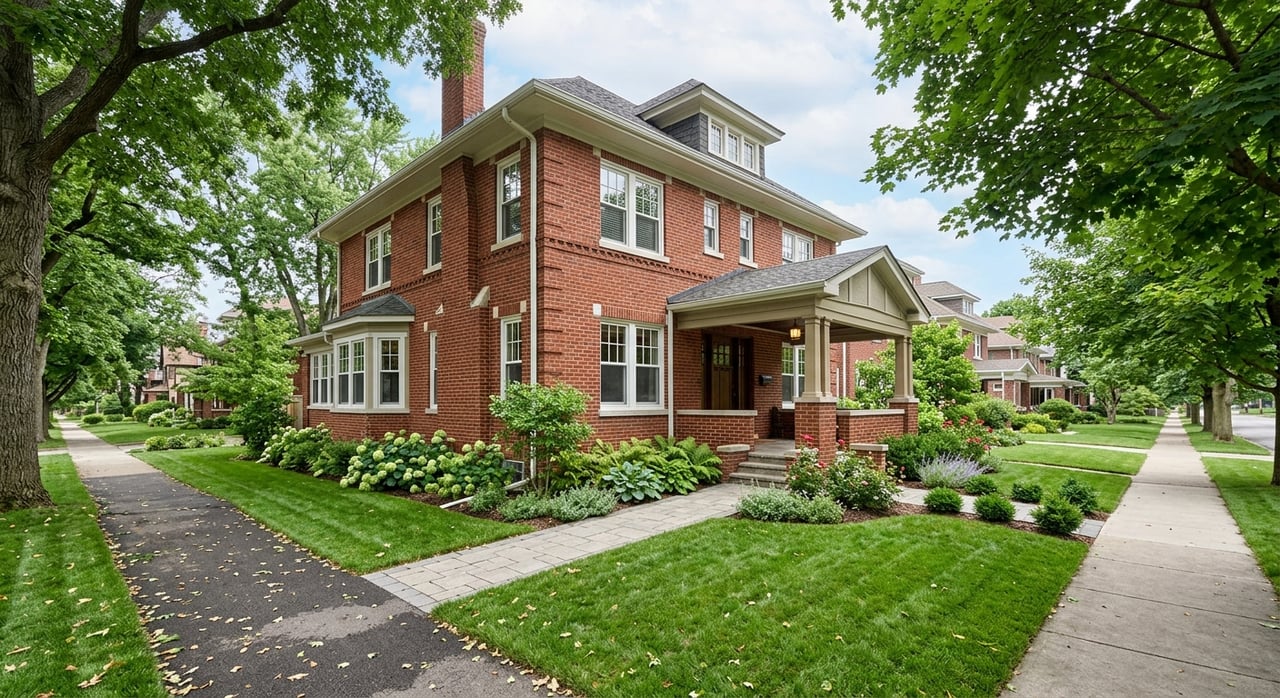
Buying a historic home in Kansas City’s 64113 area can feel exciting and a little intimidating at the same time. You may love the charm, mature streets, and original details, but you also want to avoid surprises after closing. The good news is that with the right planning, you can make a smart decision and enjoy the character that draws so many buyers to this part of the city. Let’s dive in.
Why 64113 attracts historic-home buyers
The 64113 area stands out for its early-20th-century neighborhood character. In and around Brookside, you will find walkable blocks, older single-family homes, mature streetscapes, and a mix of architectural styles that feel very different from newer construction.
Brookside describes itself as Kansas City’s first suburban shopping area, with its shopping core centered on 63rd Street between Wornall and Main. Nearby neighborhood context also points to homes that are often more than 100 years old, along with historic boulevards and local business districts that shape the area’s appeal.
For many buyers, the value here is not about getting a brand-new floor plan. It is about buying into a setting with original character, established streets, and easy access to neighborhood amenities.
Common home styles in 64113
If you are house hunting in 64113, two styles are especially likely to stand out: bungalows and Tudor homes. Armour Hills specifically identifies those as common architectural styles, while nearby Brookside-area neighborhoods reflect a broader variety of period homes.
That variety is part of the fun, but it also matters for maintenance. Different rooflines, windows, masonry details, and exterior materials can affect both your inspection strategy and your long-term repair budget.
What buyers should notice first
When you tour an older home, look beyond the staging and paint color. Pay attention to original windows, masonry condition, roof details, drainage, and signs that past updates were done carefully.
A historic home does not need to be perfect to be a good purchase. But it should give you enough information to understand what has been preserved well, what has been repaired, and what may need attention soon.
Check historic status early
One of the most important steps is checking whether the property is just old or actually subject to local historic review. In Kansas City, that distinction matters.
According to the City’s Historic Preservation Office, properties on the Kansas City Register of Historic Places or within a local historic district or overlay require Historic Preservation Commission review for exterior changes visible from the public right-of-way. A Certificate of Appropriateness must be approved before a building permit is issued for that kind of work.
By contrast, the city says National Register-only properties are not reviewed by the Historic Preservation Commission. In plain terms, that means two homes with a similar age and style may come with very different renovation rules.
Why this matters before you buy
If you already know you want to add on, replace windows, change the front exterior, or make other visible updates, historic status can affect your timeline and budget. It can also shape what materials and design choices make sense.
The city provides an address-based “Is It Historic?” map so buyers can check a property’s local status. This is one of the first things to verify before you get too far into planning a purchase.
Understand the inspection priorities
Older homes in 64113 should be seen as repairable, but they deserve a more careful inspection process. A standard home inspection is essential, but it may not be enough on its own.
Consumer Reports recommends attending the inspection, focusing on foundation and water-damage concerns, and considering a plumber with a sewer camera for homes that are 70 years old or older. That layered approach makes a lot of sense in 64113, where many homes are from the early 1900s.
Build a layered inspection plan
A smart older-home inspection plan often includes:
- A general home inspection
- Specialist follow-up for roofing, structure, or electrical issues if needed
- Plumbing review, especially for older sewer lines
- Environmental planning for lead concerns in pre-1978 homes
This approach helps you move from broad questions to specific answers before you finalize your decision.
Watch for lead paint issues
If the home was built before 1978, lead-based paint should be part of your planning. The EPA says lead-based paint is still present in millions of homes, and even well-maintained homes can create lead dust during scraping, sanding, heating, or repair work.
That does not mean you should avoid an older home. It means you should treat lead as a real renovation and maintenance factor from day one.
What this means for buyers
If you plan to repaint, remodel, or disturb older painted surfaces, ask questions early. The EPA recommends using lead-safe certified renovators for renovation, repair, and painting projects.
This is especially important if your first-year plan includes cosmetic updates. A simple project can become more involved when older materials are part of the house.
Pay close attention to windows
Original windows are often part of what gives a historic home its appeal. They can also become a major decision point once you start thinking about energy efficiency, maintenance, or future repairs.
The National Park Service advises that deteriorated historic features should be repaired rather than replaced when possible. It also notes that code or energy concerns do not automatically justify replacement.
Why window decisions matter
For you as a buyer, this means original wood windows are not always a problem to solve immediately. In many cases, they may be worth preserving if their condition allows.
Before assuming replacement is the best path, it helps to understand what is repairable and what kind of maintenance history the windows have had. That can save both money and character.
Look carefully at masonry and mortar
Brick exteriors, chimneys, and masonry details are common in older Kansas City homes. These features can last a long time, but they need the right kind of repair.
The National Park Service warns that soft historic masonry paired with hard modern mortar can lead to spalling, cracking, and crumbling. Moisture and salts can make those problems worse over time.
What to ask during due diligence
If a home has had tuckpointing or visible masonry repair, ask what was done and when. Cosmetic improvement alone is not the goal. The quality and compatibility of the repair matter more than a fresh-looking finish.
This is a good example of why older-home buying rewards careful questions. A beautiful exterior can still hide repair choices that may affect long-term upkeep.
Treat the roof as a system
In an older home, the roof is more than shingles. Flashing, gutters, chimneys, dormers, valleys, ridges, and eaves all work together to protect the house from water intrusion.
The National Park Service recommends documenting roof conditions and using a cyclical maintenance plan with inspections at least twice a year. For buyers, that means roof age alone is not enough.
Roof details to review
Ask about:
- Roof age
- Flashing condition
- Gutter and drainage performance
- Chimney condition
- Signs of past leaks or ongoing moisture issues
Water is one of the biggest drivers of expensive repairs in older homes. A more detailed roof conversation upfront can help you avoid unpleasant surprises later.
Know the renovation review process
If the home is in a local historic district or overlay, future exterior work may require review before permits are issued. The Wornall Homestead Overlay District is a useful local example because it was created to provide review procedures for new or renovated structures while still allowing flexibility for homeowners.
That does not mean every project becomes difficult. It does mean that visible exterior changes may require more planning, more documentation, and more patience than they would in a newer neighborhood.
Plan your first projects realistically
If you are buying a historic home with renovation goals, it helps to sort projects into two groups:
- Immediate repairs needed for safety, function, or water management
- Future upgrades tied to design preferences or long-term value
That structure can help you avoid taking on too much too soon. It also makes it easier to align your plans with any local review requirements.
Understand possible tax incentives
Tax incentives can be part of the conversation, but they need to be understood clearly. The National Park Service states that owner-occupied residential properties do not qualify for the federal historic rehabilitation tax credit.
Missouri’s State Historic Preservation Office says the state program provides a 25% credit for certified historic structures in Kansas City, and that the state credit is available to both commercial properties and owner-occupied homes. Missouri’s Department of Economic Development also describes the state credit as an incentive for rehabilitation of commercial and residential historic structures.
Why early planning helps
For larger rehab projects, early planning is especially important. The federal application process for historic rehab review can consider the building, associated property, and site improvements as a whole, not just one isolated project element.
If you are considering major exterior work, a large addition, or a full-scale renovation, a preservation-aware professional team can help you think through the project before costs and timelines start to expand.
Compare 64113 with newer suburbs honestly
Many buyers looking at 64113 are also comparing homes in places like Overland Park, Leawood, Lenexa, or Olathe. That is a fair comparison, but the tradeoffs are real.
In 64113, the appeal is often character, walkability, mature neighborhoods, and older homes with distinctive architecture. In newer Johnson County suburbs, buyers often find more modern layouts, simpler remodeling paths, and less maintenance complexity tied to age or historic review.
Which option fits your goals?
A historic home in 64113 may be the better fit if you value:
- Original architectural character
- Walkable neighborhood patterns
- Mature trees and established streetscapes
- Proximity to Brookside-area amenities
A newer suburban home may be the better fit if you prioritize:
- More contemporary layouts
- Fewer age-related repair concerns
- Simpler exterior update decisions
- A lower-maintenance ownership profile
Neither choice is automatically better. The right decision depends on how you balance charm, convenience, budget, and your tolerance for ongoing upkeep.
Make your decision with eyes open
The best reason to buy a historic home in Kansas City’s 64113 area is not nostalgia alone. It is the chance to own a home with lasting character in an established part of the city, while making a thoughtful decision about condition, rules, and future plans.
If you check historic status early, build a layered inspection strategy, budget for age-related repairs, and stay realistic about renovation timelines, you can buy with more confidence. And if you are comparing 64113 with newer parts of the metro, understanding those tradeoffs clearly will help you choose the home that actually fits your life.
If you want help comparing older Kansas City homes with newer options across the metro, Melissa Rousselo can help you evaluate the tradeoffs and move forward with a plan that fits your goals.
FAQs
What makes Kansas City’s 64113 area appealing for historic-home buyers?
- The 64113 area is known for walkable blocks, older single-family homes, mature streetscapes, local shopping districts, and early-20th-century architectural character.
What home styles are common in Kansas City’s 64113 area?
- Bungalows and Tudor homes are especially common, with a broader mix of period architectural styles in Brookside-area neighborhoods.
How do I know if a 64113 home is subject to historic review?
- In Kansas City, homes on the Kansas City Register of Historic Places or within a local historic district or overlay may require Historic Preservation Commission review for certain exterior changes, so buyers should check the property’s address-based historic status early.
What inspections should I consider when buying an older home in 64113?
- In addition to a general home inspection, older homes may benefit from specialist follow-up for plumbing, structure, roofing, electrical, or environmental concerns, depending on what the initial inspection finds.
Are lead paint concerns common in older Kansas City homes?
- They can be, especially in homes built before 1978, so lead-safe renovation planning should be part of your budget and project decisions.
Can owner-occupied historic homes in Kansas City qualify for tax credits?
- According to Missouri’s State Historic Preservation Office, the state historic tax credit may be available for certified historic structures in Kansas City, including owner-occupied homes, while the federal historic rehabilitation tax credit does not apply to owner-occupied residential properties.
